New, Smart, Green: What the 2026 Autumn Canton Fair Reveals About the Future of Chinese Manufacturing
Keywords: 2026 Autumn Canton Fair, Chinese manufacturing, product innovation, smart manufacturing, green development, global sourcing
Introduction: New Opportunities for Chinese Manufacturing
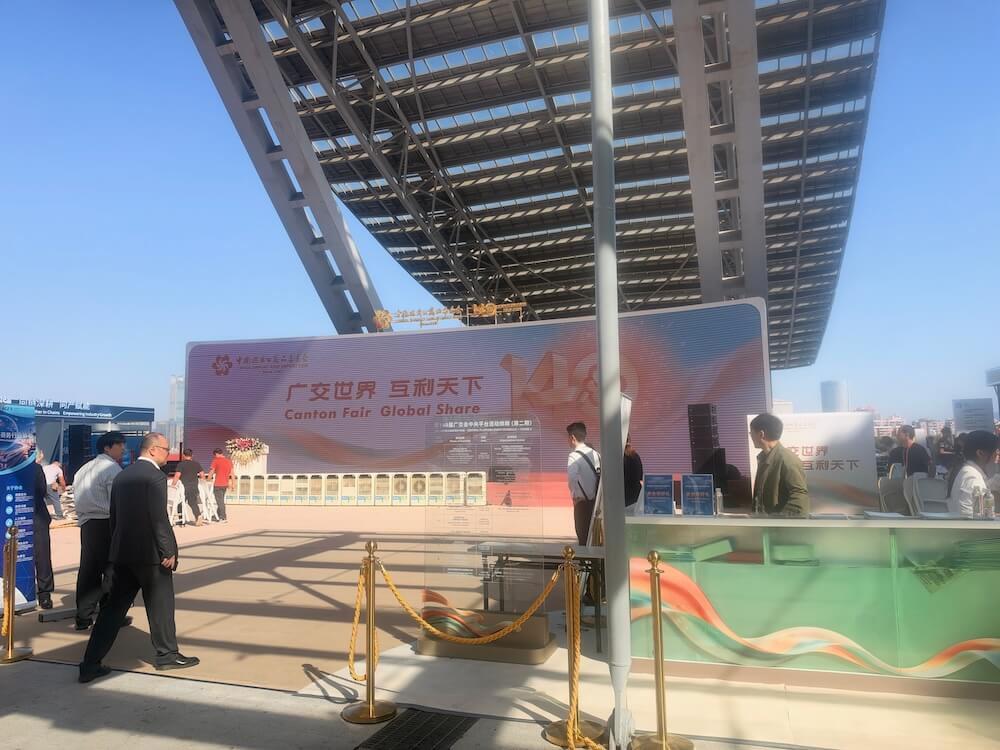
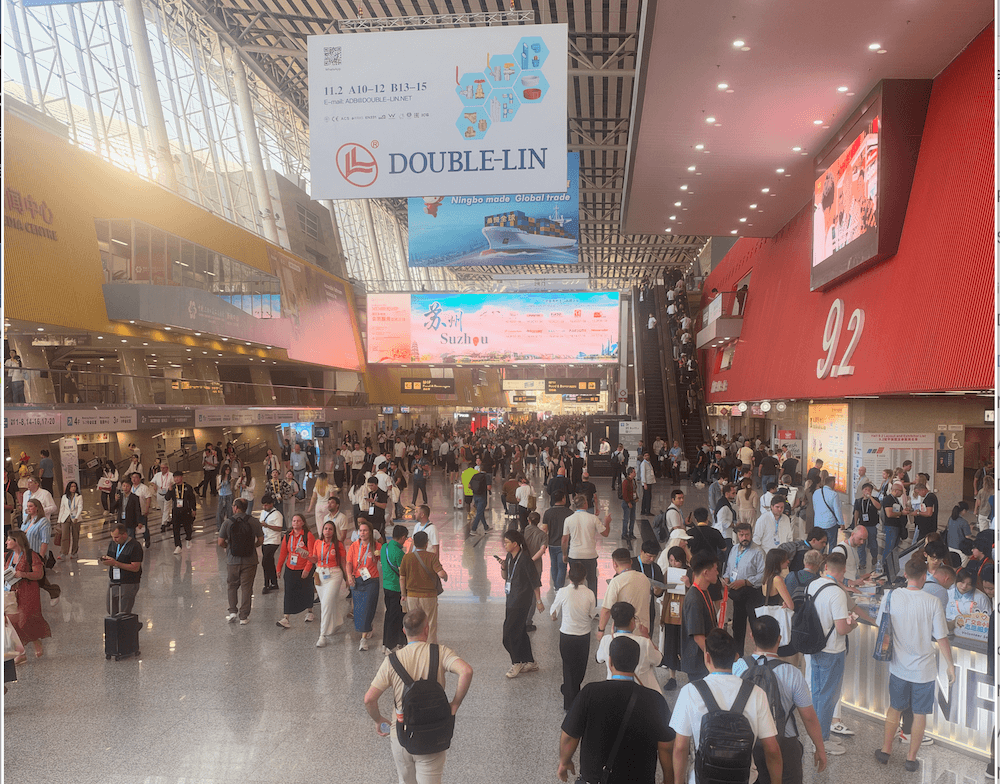
The 140th China Import and Export Fair, widely known as the Canton Fair, returns in autumn 2026 as an important platform for global buyers to explore Chinese products, connect with suppliers and discover new business opportunities.
As one of China’s most important gateways to international trade, the Canton Fair does more than showcase products. It also reflects changing market expectations and the direction of industrial development. From consumer goods and building materials to advanced machinery and green technologies, Chinese manufacturing continues to evolve toward higher quality, greater efficiency and more sustainable growth.
Three keywords capture the trends worth watching: New, Smart, Green.
These three themes represent more than technological progress. They also highlight how Chinese manufacturers can strengthen their competitiveness in global markets. For manufacturers, exporters and international buyers, understanding these trends can help identify new opportunities and build stronger business partnerships.
- New: Creating More Value Through Innovation
In today’s competitive global market, relying solely on low prices and standardized products is becoming less effective as a long-term business strategy.
Real innovation is not simply about launching a new product. It is about solving customer problems and creating meaningful value.
Innovation can take many forms, including product design, material selection, functional improvements, manufacturing processes and customer service.
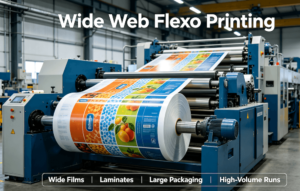
In the home improvement and building materials sectors, buyers increasingly value customization, durability and ease of installation. In flexible packaging, brands need solutions that combine product protection, attractive appearance and suitable material performance. In machinery, manufacturers are looking for greater operating flexibility, more reliable performance and improved productivity.
Sometimes, a practical improvement to an existing product can create more value than an entirely new invention.
For Chinese manufacturers, innovation should start with a clear understanding of market needs. By learning about customers’ applications, purchasing requirements and operational challenges, businesses can develop more relevant products and solutions through research, design improvements and process optimization.
For international buyers, evaluating suppliers should also go beyond product catalogues and quotations. A supplier’s ability to develop new products, support OEM/ODM customization and respond quickly to changing market requirements can be just as important as its current product range.
Ultimately, successful innovation is not about making products more complicated. It is about making them more useful, reliable and valuable to customers.
- Smart: How Smart Manufacturing Is Transforming Production
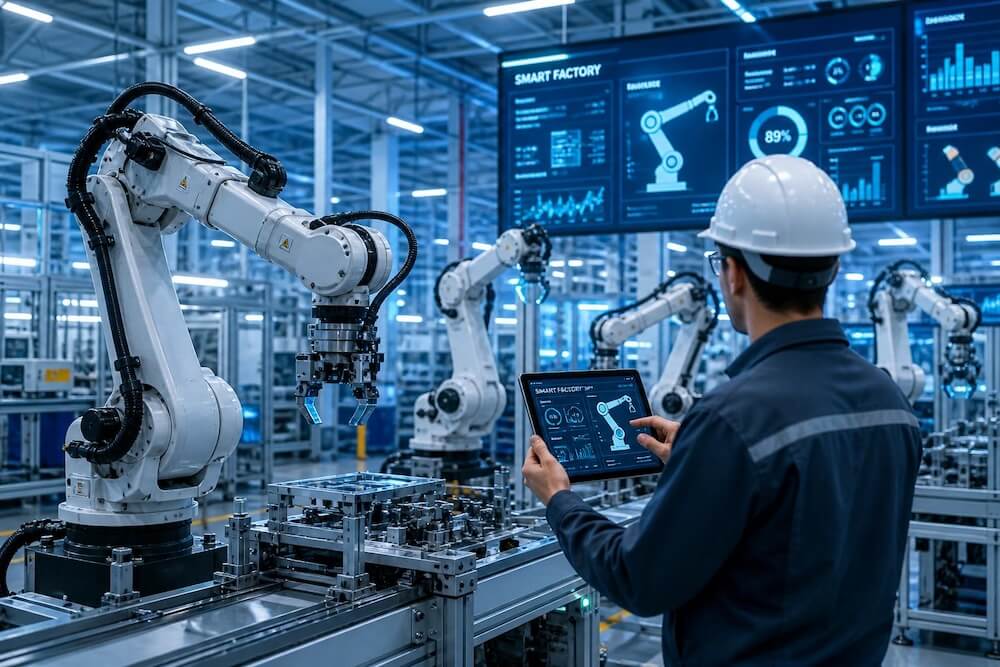
With advances in automation, artificial intelligence, digital management and industrial connectivity, smart manufacturing is becoming a major driver of China’s industrial transformation.
The idea of being “smart” goes beyond adopting advanced machinery. It means using technology and data to make production more efficient, consistent and transparent.
Automated equipment, for example, can reduce repetitive manual work and improve productivity. Online inspection systems can help identify quality issues earlier. Digital production management can improve order tracking, inventory control and delivery planning.
These improvements directly affect the factors customers care about most: consistent product quality, reliable lead times, efficient order processing and the ability to handle different purchasing requirements.
However, smart manufacturing does not mean every business must invest in a fully automated factory overnight. For many small and medium-sized manufacturers, a more practical approach is to begin with the production processes that need the greatest improvement.
A company might introduce automatic packaging equipment, online quality inspection, digital inventory management or production data analysis. By improving these processes step by step, manufacturers can reduce waste, make better use of equipment and build a more competitive operation.
For international buyers, assessing a supplier’s manufacturing capabilities should involve more than counting machines or looking at factory size. The real question is whether the equipment and management systems deliver measurable improvements in quality, productivity and delivery performance.
The ultimate goal of smart manufacturing is not to showcase technology. It is to turn technology into consistent quality, dependable lead times and a better customer experience.
- Green: Why Sustainability Matters in Global Trade
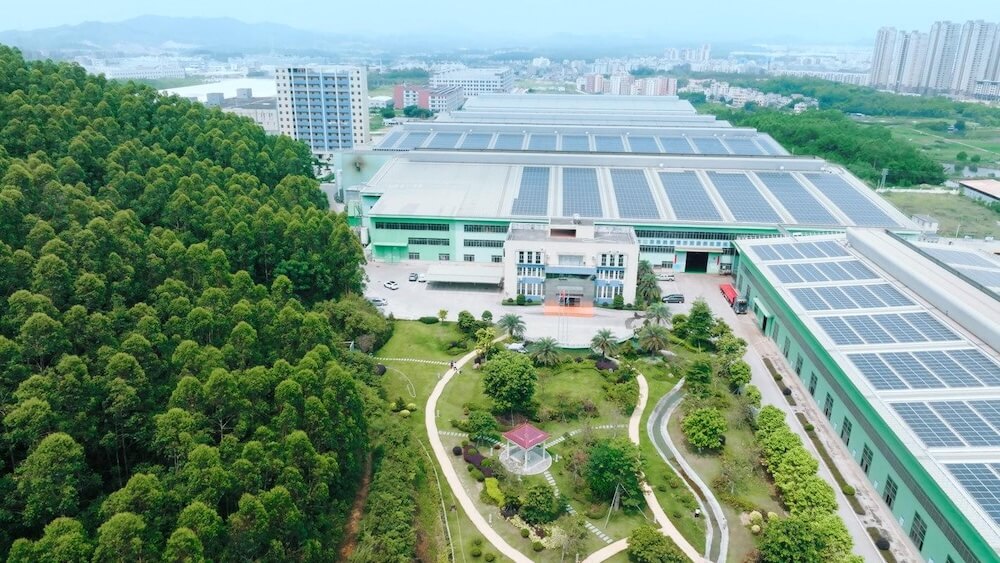
Green development is moving beyond a marketing advantage and becoming an increasingly important consideration for manufacturers and international buyers.
From energy-efficient equipment and renewable energy to responsible material selection, waste reduction and resource recycling, sustainability is influencing product design, raw material sourcing, manufacturing, packaging and logistics.
For manufacturers, the transition presents both challenges and opportunities. Reducing energy consumption, optimizing material usage and minimizing production waste can lower environmental impact while potentially improving operating efficiency.
Flexible packaging offers a useful example. Sustainable packaging is not simply about using less material or selecting a material described as environmentally friendly. Manufacturers must also consider product protection, shelf life, transportation conditions, recycling infrastructure and the intended application.
If packaging is made too thin and this leads to product damage, leakage or additional food waste, the overall environmental outcome may be worse. Effective sustainable packaging must balance environmental impact with product performance, practical requirements and total cost.
International buyers should therefore look beyond general environmental claims. Depending on the application, they may need to examine material composition, energy consumption, recyclability, local waste-management infrastructure and applicable regulations.
Requirements also vary across countries and industries. A solution that works well in one market may not be suitable in another because recycling systems, regulatory standards and customer expectations differ.
Manufacturers that understand these differences will be better positioned to develop green solutions that deliver real value rather than relying on broad sustainability claims.
- How New, Smart and Green Work Together
Innovation, smart manufacturing and green development are not three separate strategies. When combined, they can reinforce one another and create stronger long-term competitiveness.
Innovation can lead to better product designs and more efficient material use. Smart manufacturing can improve consistency, reduce defects and minimize production waste. Green development encourages businesses to rethink resource consumption, energy management and manufacturing processes.
Together, these approaches can help manufacturers build a more resilient business model.
For example, a manufacturer might develop a customized product to meet a customer’s specific requirements, use automated production to improve consistency, and optimize materials and energy consumption to reduce waste. For the customer, these improvements should translate into better quality, a more competitive total cost and more reliable delivery.
At the same time, the expectations of international buyers are changing. Many are looking beyond suppliers that simply offer competitive quotations. They want partners who can provide technical advice, support product development, understand local market requirements and solve problems throughout the business relationship.
For Chinese manufacturers, this means paying attention not only to products and pricing, but also to technology, customer service and supply chain management.
The businesses that combine these capabilities will be better equipped to compete in an increasingly demanding global marketplace.
Conclusion: The Future Belongs to Businesses That Keep Improving
The 2026 Autumn Canton Fair’s focus on New, Smart and Green offers a valuable perspective on the future of Chinese manufacturing and international trade.
New represents innovation and value creation. Smart stands for smarter production and greater efficiency. Green reflects sustainability and responsible growth.
For Chinese manufacturers, long-term competitiveness will increasingly depend on their ability to innovate continuously, improve production through smart technologies, adopt more sustainable practices and deliver reliable customer service.
For global buyers, sourcing from China should be about more than finding the lowest quotation. It should be about identifying partners who can improve product competitiveness, reduce business risks and support sustainable long-term growth.
Our perspective: The future of international trade will not belong exclusively to the companies with the lowest production costs. It will increasingly favor those that turn innovation into real value, smart technology into manufacturing advantages, and green principles into practical solutions.
The Canton Fair showcases the products of today. The innovation, smart manufacturing capabilities and commitment to sustainability behind those products will help shape the future of Chinese manufacturing.