When it comes to printing for packaging, two processes often come up: flexographic printing and gravure printing. Both are used widely in the industry, especially for creating high-quality printed materials like food packaging, beverage cartons, and luxury product labels. However, despite their similarities, these two printing methods have some distinct differences that can affect the final result, cost, and turnaround time.
In this article, we’ll break down the key differences between flexo and gravure printing, help you understand how each works, and explore when to choose one over the other. By the end, you’ll be better equipped to decide which method is right for your packaging needs.
1. What is Flexographic Printing?
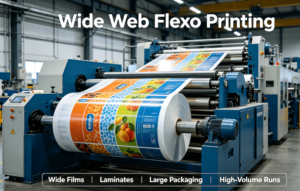
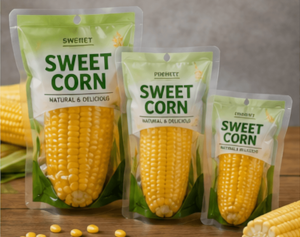
Flexographic printing, or flexo, is a relief printing process that uses flexible plates to transfer ink onto a variety of materials. Flexo is known for its versatility, as it can print on non-porous materials such as plastics, films, foils, and paper. This flexibility makes it a top choice for creating flexible packaging like snack bags, beverage cartons, and food packaging.
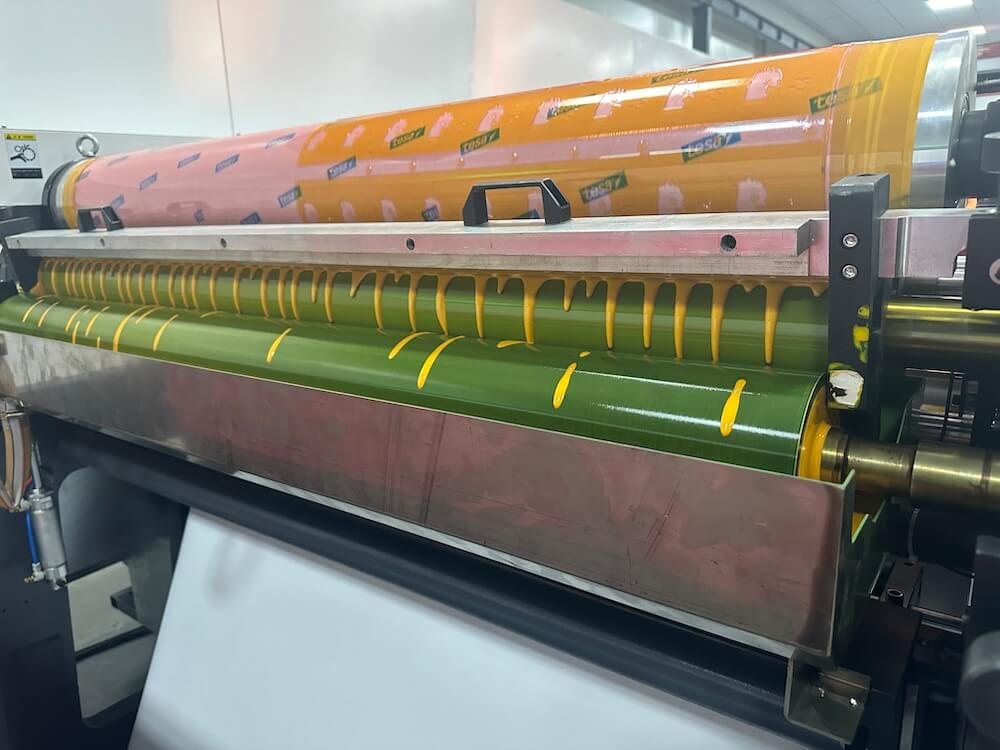
How Flexo Works: In flexo printing, the design to be printed is transferred onto a flexible plate made of rubber or photopolymer material. The plate’s raised surface picks up ink from an anilox roller (which regulates the ink amount) and transfers it to the substrate. The ink dries quickly, allowing for fast, high-volume production. Flexo printing is commonly used for high-speed packaging runs because it’s cost-effective and works well with fast-drying inks.
2. What is Gravure Printing?
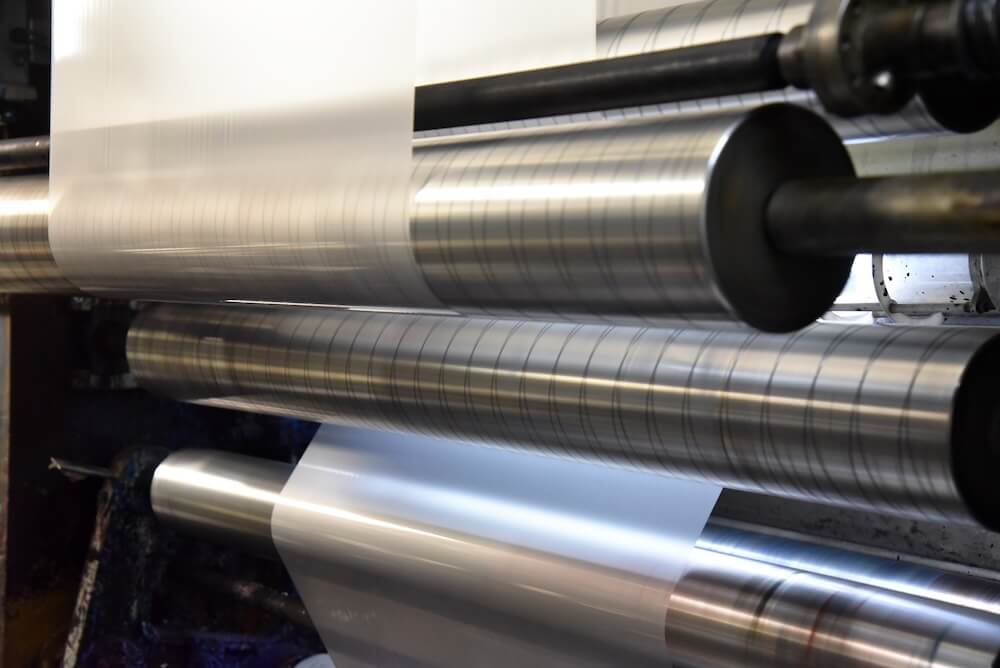
Gravure printing, also known as rotogravure, is an intaglio printing method, meaning the image is engraved into the printing cylinder. This process uses a metal cylinder (usually copper or chrome) that has the design etched into its surface. The cylinder holds ink in the engraved cells, and when the cylinder makes contact with the substrate, the ink is transferred to create the printed image.
How Gravure Works: In gravure, the image is carved into the surface of a cylinder. Ink is then applied to the cylinder, and any excess is wiped away, leaving ink only in the etched areas. The substrate is then pressed against the cylinder, transferring the ink to it. Gravure is known for producing high-quality prints with rich, vibrant colors and intricate detail, making it the go-to choice for luxury packaging and high-end prints.
3. Key Differences Between Flexo and Gravure Printing
Here’s a side-by-side comparison of flexographic and gravure printing across several important factors:
- Process:
- Flexo uses flexible plates that transfer ink via direct contact with the substrate.
- Gravure uses an engraved cylinder to hold ink in tiny cells, which is then transferred to the substrate.
- Material Compatibility:
- Flexo works well with a variety of non-porous materials like plastics, films, and paper. It’s great for flexible packaging.
- Gravure is often used for printing on paper, plastic films, and metallic materials. It’s particularly good for high-end packaging.
- Ink Type:
- Flexo uses water-based, solvent-based, and UV inks, making it versatile and often more eco-friendly.
- Gravure typically uses solvent-based inks, but can also use UV and water-based options depending on the job.
- Print Quality:
- Flexo produces vibrant, sharp images but may have limitations in fine details or gradient effects.
- Gravure is known for exceptional print quality, including fine details, deep color, and high fidelity in images.
- Cost:
- Flexo is more cost-effective for short to medium runs, especially when printing on flexible packaging materials.
- Gravure is more expensive for short runs due to the high cost of creating engraved cylinders, but becomes cost-effective for long runs.
- Speed:
- Flexo is faster for most jobs, with high-speed presses capable of printing at rates of up to 1,000 feet per minute.
- Gravure is also fast, but the setup time can be longer due to the cylinder engraving process. It’s best for large-scale runs.
- Setup Time:
- Flexo has quick setup times because the plates can be made quickly and easily adjusted for different print runs.
- Gravure has a longer setup time, as the cylinders must be engraved and prepared for each print job.
4. Advantages of Flexo Printing
- Faster Setup: Flexo presses are known for quick turnaround times, especially for short runs or custom print jobs. This makes it perfect for businesses that need speed.
- Cost-Effective for Small to Medium Runs: Because flexo plates are cheaper and faster to make than gravure cylinders, flexo is more affordable for runs that aren’t huge.
- Versatile Substrate Compatibility: Flexo can print on a variety of materials, including flexible films, paper, and foil.
- Eco-Friendly Options: Flexo can use water-based inks and UV inks, which are more environmentally friendly than traditional solvent-based inks.
5. Advantages of Gravure Printing
- High-Quality Prints: Gravure excels at producing high-quality prints with vivid colors and intricate details. It’s the best option for premium packaging or luxury products.
- Great for Large Runs: Gravure becomes highly cost-effective when printing in large quantities. After the initial setup, the process runs very efficiently, especially for long print runs.
- Long-Lasting Plates: The engraved cylinders used in gravure are durable and can last for many prints without losing quality, which is a benefit for high-volume jobs.
6. When to Choose Flexo vs. Gravure?
- Choose Flexo Printing if:
- You need a fast turnaround and quick setup for a variety of substrates.
- You’re printing on non-porous materials, such as plastic films or flexible packaging.
- You need short to medium production runs that require quick, cost-efficient printing.
- Choose Gravure Printing if:
- You’re looking for exceptional print quality with rich, vibrant colors and fine details.
- You’re printing large-volume runs where high quality and consistency are crucial.
- You’re creating luxury packaging or premium products that require the best print fidelity.
7. Conclusion: Which Method is Right for Your Packaging?
Both flexo and gravure are excellent printing methods, but each excels in different areas. Flexo is ideal for fast, cost-effective printing on a variety of materials, making it a great choice for flexible packaging. On the other hand, gravure shines in high-quality, large-volume production, particularly when vibrant colors and intricate detail are essential.
Flexo printing is the preferred choice for flexible, high-speed packaging with fast setup times, while gravure printing is unbeatable when it comes to producing high-quality prints for large runs and premium products.
Understanding these differences will help you select the best method based on your project’s needs, budget, and production requirements.