What Is PLA? A Practical Guide to PLA Packaging, Its Benefits, Limitations, and Real-World Applications
As sustainability becomes a priority across the packaging industry, brands are actively searching for materials that reduce environmental impact without compromising product performance. Among the many alternatives to conventional plastics, PLA (Polylactic Acid) has emerged as one of the most promising bio-based materials.
From compostable food containers to paper packaging with biodegradable coatings, PLA is now found in an increasing number of packaging applications. However, despite its growing popularity, PLA is often misunderstood. Some brands assume it can replace all traditional plastics, while others are unsure whether it truly delivers environmental benefits.
The reality is more nuanced.
Like any packaging material, PLA has strengths, limitations, and ideal use cases. Understanding how it performs—and where it performs best—is essential for making informed packaging decisions.
What Is PLA?
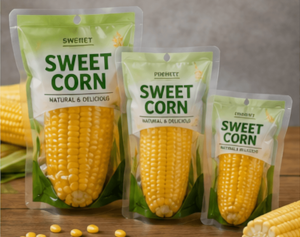
PLA (Polylactic Acid) is a biodegradable thermoplastic derived from renewable plant-based resources rather than fossil fuels. It is typically produced from:
- Corn starch
- Sugarcane
- Cassava
- Other carbohydrate-rich crops
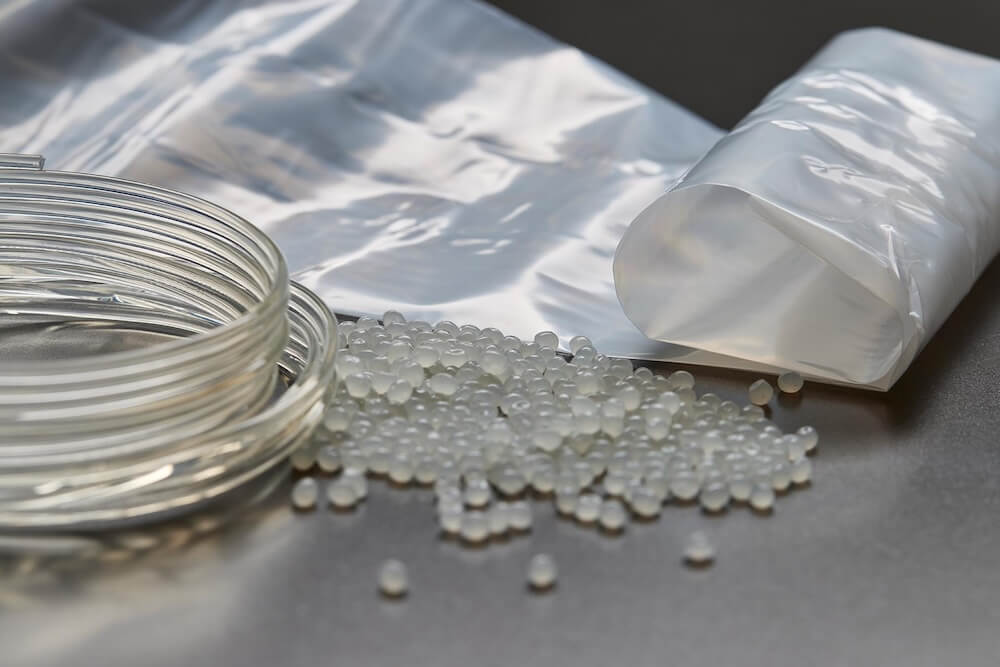
The manufacturing process begins by fermenting plant sugars into lactic acid. The lactic acid is then polymerized into PLA resin, which can be processed into films, sheets, coatings, bottles, trays, and a variety of flexible packaging formats.
Unlike polyethylene (PE) or polypropylene (PP), which rely on petroleum feedstocks, PLA offers manufacturers a renewable alternative that aligns with many sustainability initiatives.
Why Has PLA Become So Popular?
The growing interest in PLA is driven by several global trends.
Consumers are increasingly paying attention to the environmental footprint of the products they purchase. At the same time, governments around the world are introducing regulations that encourage the reduction of conventional plastic waste.
Many international brands have also announced ambitious sustainability targets, including reductions in virgin plastic usage and increased adoption of renewable or compostable materials.
PLA helps companies move toward these goals by offering a material derived from renewable resources while maintaining many of the processing advantages associated with conventional plastics.
How Is PLA Used in Packaging?
PLA is a versatile material that can be converted into different packaging formats, including:
- Flexible films
- Paper coatings
- Rigid trays
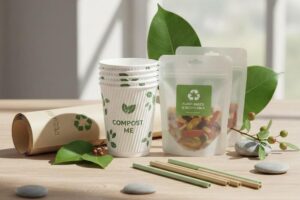
- Cups and containers
- Labels
- Compostable pouches
One of the fastest-growing applications is PLA-coated paper packaging.
By combining natural paper with a thin PLA coating, manufacturers can significantly improve moisture resistance, grease resistance, and heat-sealing performance while maintaining a paper-based appearance. This makes PLA-coated paper an attractive solution for brands looking to reduce traditional plastic coatings without sacrificing functionality.
Typical applications include:
- Coffee bags
- Bakery packaging
- Dry food packaging
- Takeaway food containers
- Snack packaging
- Disposable food-service products
What Makes PLA a Sustainable Packaging Material?
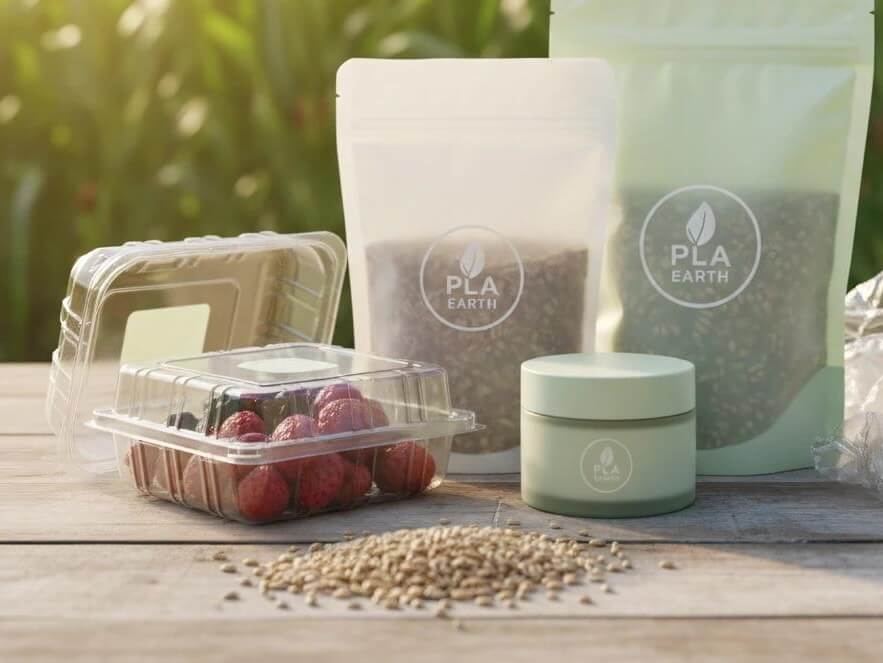
PLA offers several environmental advantages when compared with many conventional plastics.
Renewable Feedstocks
Unlike petroleum-based plastics, PLA is produced from annually renewable agricultural resources. This reduces dependence on fossil fuels and supports the transition toward more sustainable raw materials.
Industrial Compostability
Under properly controlled industrial composting conditions, PLA can decompose into carbon dioxide, water, and biomass within a relatively short period.
However, it is important to understand that industrial compostability is not the same as home compostability. PLA generally requires elevated temperatures, controlled humidity, and active microbial activity to degrade efficiently.
Lower Carbon Footprint Potential
Because plants absorb carbon dioxide during growth, PLA may offer lower greenhouse gas emissions over its life cycle compared with certain petroleum-based plastics.
That said, the overall environmental performance depends on multiple factors, including agricultural practices, manufacturing efficiency, transportation, and end-of-life disposal.
Where Does PLA Work Best?
PLA performs particularly well in packaging applications where sustainability is a primary objective and extreme barrier performance is not required.
Common applications include:
- Fresh fruits and vegetables
- Bakery products
- Organic foods
- Ready-to-eat meals
- Premium gift packaging
- Eco-friendly retail packaging
PLA-coated paper has also become increasingly popular for brands seeking to replace PE-coated paper while maintaining excellent print quality and sealing performance.
The Limitations of PLA
Despite its advantages, PLA is not a universal replacement for traditional plastics.
Limited Heat Resistance
Compared with PET or PP, PLA softens at relatively low temperatures.
For this reason, it is generally unsuitable for:
- Retort packaging
- Hot-fill applications
- Microwaveable packaging
- High-temperature sterilization
Moderate Barrier Properties
PLA provides acceptable moisture and oxygen resistance for many products, but it cannot match the high-barrier performance of structures incorporating aluminum foil, EVOH, or metallized films.
Products such as coffee, nutritional powders, pharmaceuticals, and long shelf-life foods often require additional barrier layers to ensure adequate product protection.
Compostability Depends on Infrastructure
One of the most common misconceptions about PLA is that it simply “disappears” after disposal.
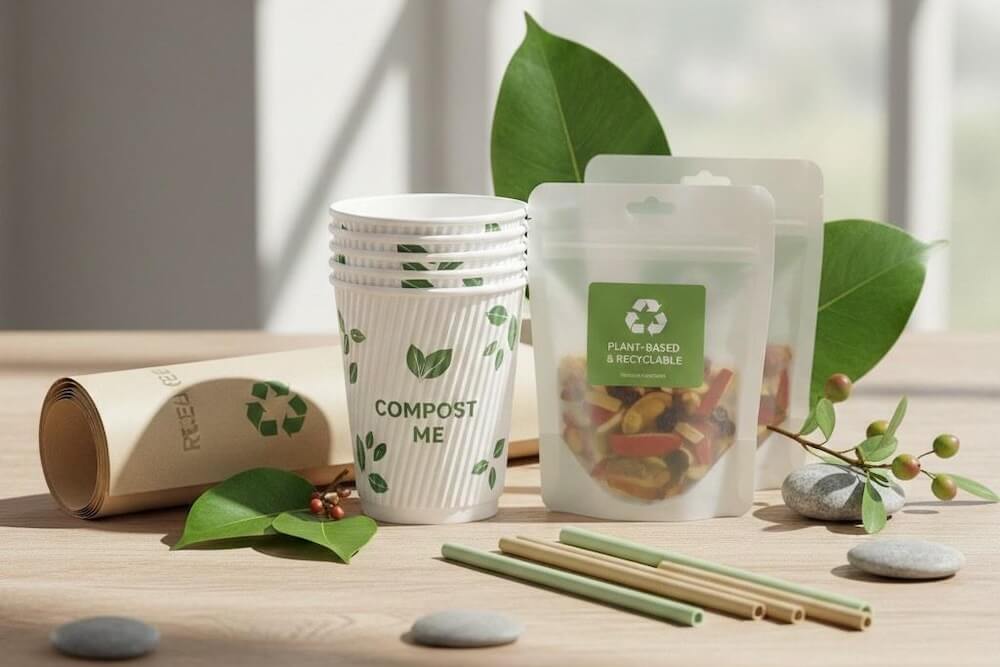
In reality, PLA requires industrial composting facilities to achieve efficient degradation. If disposed of in conventional landfills, decomposition may be significantly slower.
This highlights the importance of local waste management infrastructure when evaluating PLA as a sustainable packaging solution.
Should You Choose PLA for Your Packaging?
The answer depends entirely on your product and your sustainability objectives.
PLA is an excellent option if your packaging requires:
- Renewable raw materials
- Compostable packaging solutions
- Moderate barrier performance
- Attractive shelf presentation
- Reduced dependence on fossil-based plastics
However, conventional or hybrid material structures may still be the better choice if your product requires:
- Extended shelf life
- High oxygen or moisture barriers
- High-temperature resistance
- Exceptional mechanical strength
- Sterilization or retort processing
Selecting the right material should always begin with understanding the product—not simply following market trends.
Common Misconceptions About PLA
Many businesses assume that switching to PLA automatically makes their packaging environmentally friendly. While PLA can contribute to sustainability goals, its environmental benefits depend on how it is produced, processed, and disposed of.
Another misconception is that PLA can directly replace PE or PP in every application. In reality, every packaging structure must be engineered according to product characteristics, distribution conditions, shelf-life requirements, and processing methods.
Sustainability should never come at the expense of product protection. Packaging that fails to preserve product quality can ultimately generate more waste than it prevents.
Noupack’s Perspective
At Noupack, we believe sustainable packaging is not about choosing the “greenest” material—it is about selecting the right material for the right application.
PLA is an outstanding solution for many packaging projects, particularly when brands want to reduce reliance on fossil-based plastics and strengthen their sustainability positioning. However, it is not a one-size-fits-all material. Successful packaging design requires balancing environmental performance, product protection, manufacturing efficiency, regulatory compliance, and overall cost.
Our engineering team works closely with customers to evaluate each product’s specific requirements before recommending a material structure. In some cases, a PLA-coated paper solution may deliver the ideal balance of sustainability and functionality. In others, a hybrid structure or an alternative high-barrier laminate may provide better long-term value.
Because truly sustainable packaging doesn’t begin with choosing a material—it begins with choosing the right packaging solution.
Frequently Asked Questions
Is PLA biodegradable?
Yes, but primarily under industrial composting conditions rather than in natural environments or standard landfills.
Can PLA replace all plastic packaging?
No. PLA is best suited for specific applications where moderate barrier performance and compostability are desired.
Is PLA food-safe?
Yes. Food-grade PLA is widely used for food-contact packaging, provided it complies with local food safety regulations.
Can PLA be used with paper packaging?
Absolutely. PLA-coated paper is one of the fastest-growing sustainable packaging solutions for food service and dry food applications.