BOPP vs PET: How to Choose the Right Outer Layer for Flexible Packaging
When designing a flexible packaging structure, most discussions focus on barrier materials, sealing layers, or shelf life. Yet one layer often has a bigger impact than people realize—the outer layer.
The outer film is the first thing consumers see. It influences print quality, package appearance, converting performance, and even production efficiency. Two of the most common choices are BOPP (Biaxially Oriented Polypropylene) and PET (Polyethylene Terephthalate).
Both materials are widely used in flexible packaging, but they are designed for different priorities. Understanding where each film performs best can help brands avoid over-engineering, reduce costs, and improve packaging performance.
Why the Outer Layer Matters More Than You Think
The outer layer is not simply a printable surface.
It protects printed graphics during transportation, contributes to overall package strength, and affects how a product appears on the shelf. In many cases, the outer film also determines how smoothly a package runs through printing, lamination, and pouch-making processes.
A packaging structure may contain multiple layers, but the outer film is often the layer customers notice first—and production teams notice most.
BOPP: A Cost-Effective Choice for High-Volume Packaging
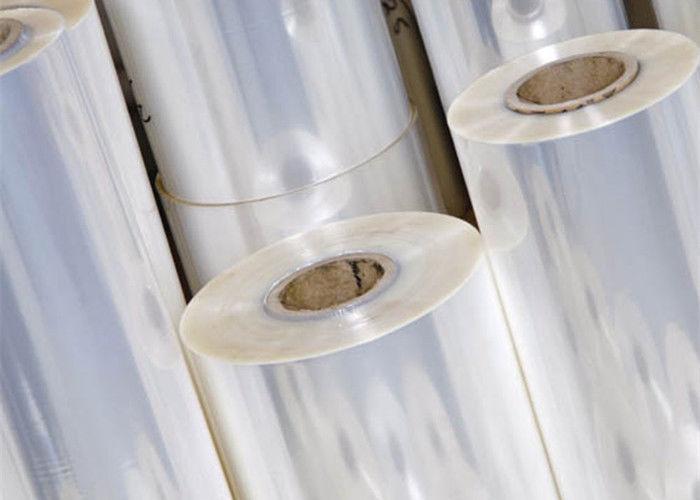
BOPP is one of the most widely used films in consumer packaging.
Its popularity comes from a combination of excellent clarity, attractive gloss, lightweight properties, and competitive cost. Products packaged with BOPP often appear bright and visually appealing on retail shelves.
Because polypropylene is generally more economical than polyester, BOPP is frequently selected for products where large production volumes make material costs especially important.
Typical applications include:
- Snack foods
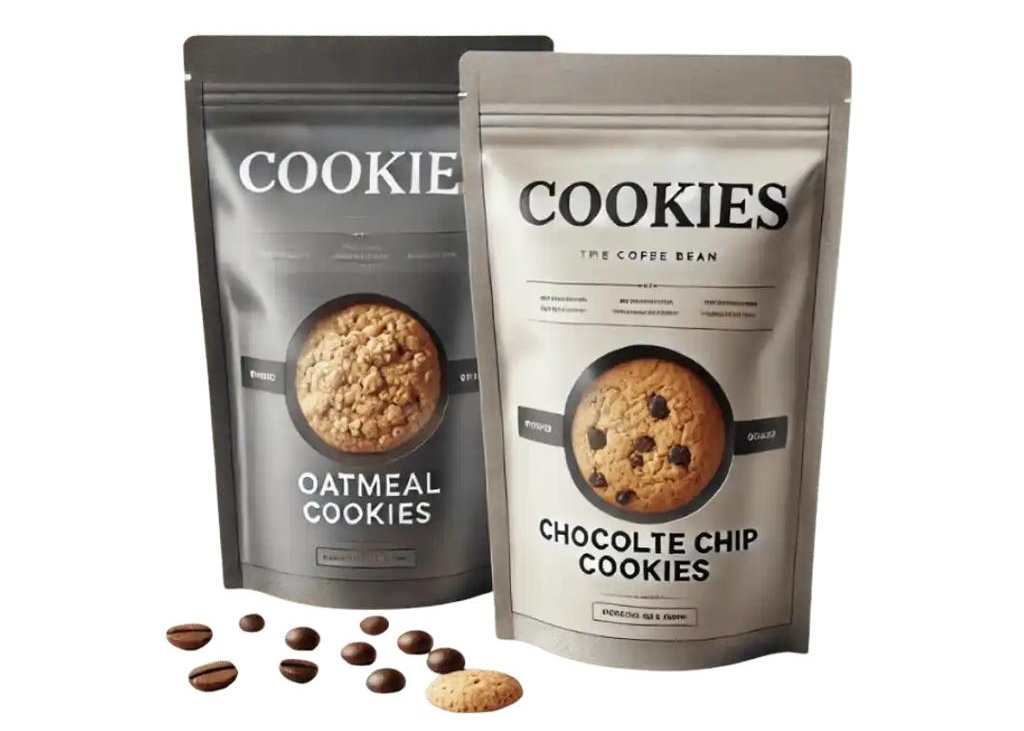
- Biscuits and cookies
- Confectionery
- Bakery products
- Dry food packaging
- Labels and overwraps
For many everyday consumer products, BOPP provides a practical balance between appearance and cost.
PET: Designed for Higher Performance Applications
PET is often chosen when packaging demands more than visual appeal.
Compared with BOPP, PET offers better dimensional stability, higher heat resistance, and superior print registration. These advantages become particularly important when packaging structures involve complex graphics, high-speed converting, or demanding filling environments.
From a printing perspective, PET is generally considered the premium substrate. Fine text, intricate designs, and high-resolution graphics can often be reproduced more consistently on PET-based structures.
PET is commonly used for:
- Coffee packaging
- Pet food packaging
- Frozen food packaging
- Pharmaceutical packaging
- Premium consumer goods
- High-barrier laminated structures
Although PET usually costs more than BOPP, the additional stability can reduce production issues and improve overall packaging quality.
Which Film Delivers Better Print Quality?
If packaging design is a major part of your brand strategy, PET often has the advantage.
During gravure and flexographic printing, PET maintains excellent dimensional stability, helping achieve:
- Sharper graphics
- More accurate color registration
- Better consistency across production runs
- Improved reproduction of fine details
BOPP can also produce excellent printing results, especially for standard consumer packaging. However, when brands require highly detailed artwork or premium shelf presentation, PET is usually the preferred choice.
For packaging buyers investing heavily in branding, this difference can be significant.
Heat Resistance: Where PET Clearly Wins
One of the biggest practical differences between BOPP and PET appears during processing.
Throughout printing, lamination, pouch making, filling, and transportation, packaging materials are exposed to heat. PET remains dimensionally stable under these conditions, while BOPP can become more sensitive as temperatures increase.
This is why PET is frequently used in packaging structures for coffee, retort products, and other applications where temperature resistance is critical.
In demanding converting environments, PET often provides greater process stability and fewer production challenges.
Is BOPP Always the Lower-Cost Option?
In terms of raw material cost, the answer is generally yes.
However, packaging decisions should not be based solely on film price.
A slightly more expensive structure can sometimes reduce waste, improve production efficiency, and minimize quality issues. In those cases, the overall packaging cost may actually be lower despite the higher material price.
The best solution is rarely the cheapest film—it is the film that delivers the best balance between performance, appearance, and production efficiency.
So, Which One Should You Choose?
Choose BOPP when:
- Cost efficiency is a primary concern
- The product is produced in large volumes
- Standard printing quality is sufficient
- Processing conditions are relatively simple
Choose PET when:
- Premium branding is important
- High print accuracy is required
- Heat resistance is critical
- Production stability is a priority
Neither material is universally better. The right choice depends on the product, packaging structure, manufacturing process, and brand objectives.
Noupack’s Perspective
At Noupack, we often see customers assume that PET is always the “higher-end” option and therefore the better choice. In reality, selecting packaging materials is about matching performance to application requirements—not choosing the most expensive structure.
For many snack foods and dry products, a well-designed BOPP-based laminate can provide excellent appearance and reliable performance while reducing packaging costs. On the other hand, products such as coffee, pet food, pharmaceutical products, or premium consumer goods often benefit from the additional stability that PET provides.
When evaluating packaging structures, we encourage brands to look beyond material specifications and consider the complete packaging system, including product characteristics, filling conditions, shelf-life requirements, and production efficiency.
The most successful packaging solutions are not necessarily the most complex—they are the ones engineered specifically for the product they protect.