In today’s world, when you walk into a supermarket, convenience store, or even a pharmacy, you’re greeted by a variety of colorful, detailed packaging that stands out from the shelves. From food and beverages to personal care products, packaging is key to attracting customers and preserving product integrity. One of the most common printing methods used for creating these eye-catching designs is flexographic printing, also known as flexo.
If you’ve ever wondered, “What is flexo in printing?” or “What does flexo mean?” this blog will provide you with a deep dive into the process, its applications, and why it has become one of the most preferred printing technologies in the packaging industry.
What is Flexographic Printing?
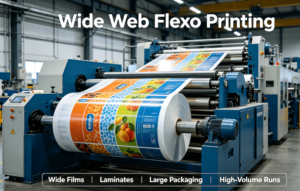
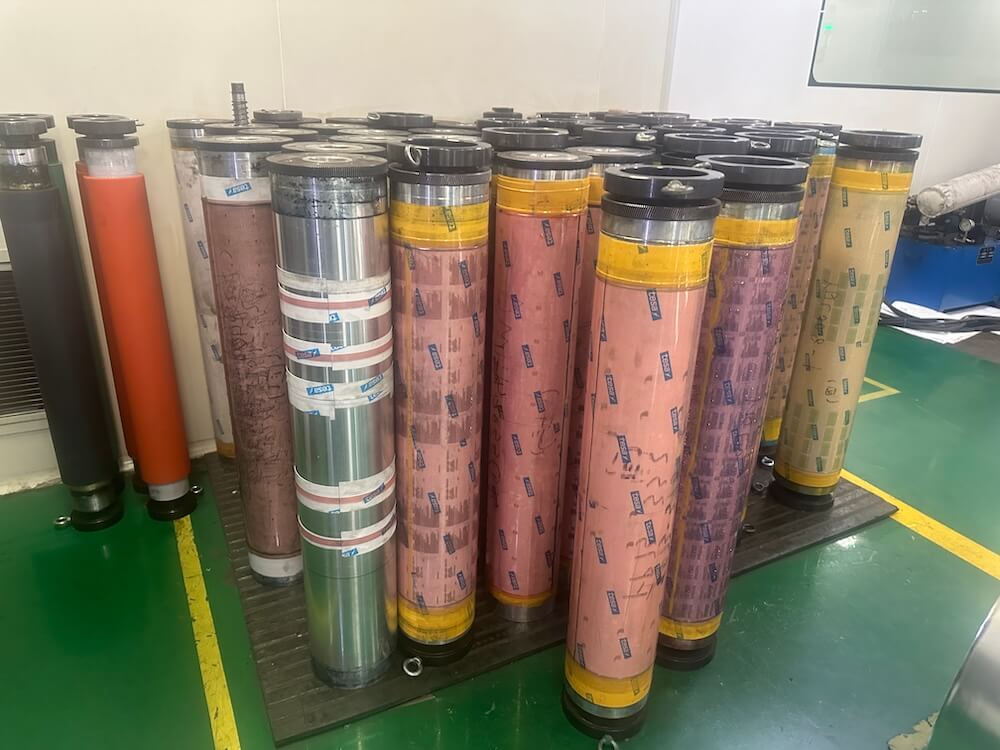
Flexographic printing, or flexo for short, is a form of rotary printing that uses flexible photopolymer plates to transfer ink onto various substrates. These substrates can be anything from paper and plastic to metallic films, making flexo highly versatile and ideal for packaging applications. Flexographic printing is often chosen for large-scale production runs due to its speed, cost-efficiency, and ability to print on a wide range of materials.
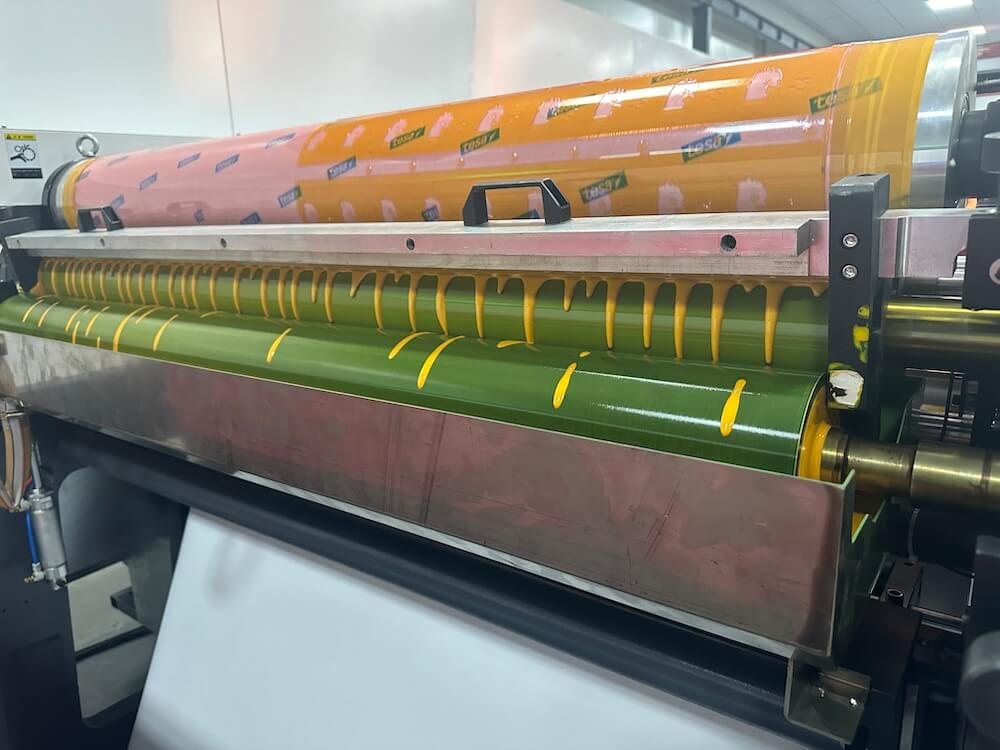
The flexo printing process relies on the principle of transferring ink from a raised surface to the desired substrate, whether that’s a bag, box, label, or other packaging materials. The technology uses a flexible, rubber-like plate, which is mounted onto a rotating cylinder, and the ink is applied to the raised areas of the plate, which then transfers the ink to the surface.
The History of Flexo Printing
Flexo printing has evolved significantly since its invention in the early 1900s. It was initially introduced as an improvement over letterpress printing, which had limitations in printing on non-porous materials like plastic films. Flexo printing, with its flexible plates and rotary press system, opened up new possibilities for printing on a variety of substrates, especially for packaging.
Over the decades, flexo technology has advanced, with innovations in plate-making, ink types, and printing presses. Today, flexographic printing is one of the most widely used printing methods in the world, particularly for packaging in industries like food and beverage, consumer goods, and pharmaceuticals.
How Does Flexo Printing Work?
The flexographic printing process involves several key steps that make it both efficient and versatile:
- Plate Preparation: The process starts with the creation of a photopolymer plate, which is a flexible, light-sensitive material. A design or image is transferred onto the plate using a photographic process, with the raised areas corresponding to the parts of the design that will receive ink.
- Ink Application: Special inks (water-based, solvent-based, or UV) are applied to the plate. These inks are transferred to an anilox roller, which regulates the amount of ink that’s deposited onto the plate.
- Ink Transfer: The ink is then transferred from the plate to the substrate (the material being printed on), which can be a wide range of surfaces, including paper, plastic films, metal foils, and more. The substrate passes between the plate and a backing cylinder, where the ink is transferred by direct contact with the raised areas of the plate.
- Drying/Curing: Depending on the type of ink used (water-based, UV, or solvent-based), the ink may need to be dried or cured. UV inks are cured by ultraviolet light, while water-based and solvent inks require evaporation of the solvent for drying.
- Finishing: Once printed, the product may undergo further processes, such as die-cutting or laminating, to create the final packaging product.
What Makes Flexographic Printing Special?
Flexo’s flexibility is one of the main reasons why it is so popular in the packaging industry. The technology allows for high-speed, high-volume production of consistent, sharp prints on a range of materials. Flexo printing excels in these areas:
- Wide Range of Materials: Flexo can print on everything from paper and cardboard to plastic films and even metallic foils, making it the go-to option for packaging in a variety of industries.
- High-Speed Production: The rotary printing press allows for rapid printing, making it ideal for large-scale packaging production. This efficiency means that flexo is especially well-suited for mass production and high-volume print runs.
- Cost-Efficiency: Flexographic printing can handle long print runs at a relatively low cost, especially when compared to other printing methods like gravure or screen printing. This makes it an attractive option for manufacturers looking to keep costs down while achieving high-quality results.
- Quality and Versatility: Flexo printing can produce high-quality prints with vivid colors and sharp details, even for complex designs. Thanks to modern advances in plate technology and ink formulation, the print quality of flexo continues to improve, rivaling other printing methods.
- Environmental Friendliness: Flexo printing has also embraced eco-friendly solutions with water-based and UV-cured inks. This reduces the environmental impact compared to solvent-based inks, making it a more sustainable choice for eco-conscious companies.
Applications of Flexographic Printing
Flexo printing is predominantly used for packaging applications due to its ability to print on various materials and its speed in production. Here are some common uses:
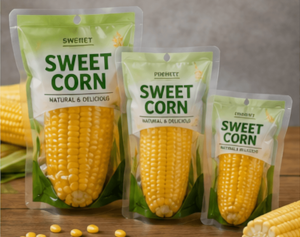
- Flexible Packaging: This includes pouches, bags, and wraps used for food, beverages, and consumer products.
- Labels: Flexo is often used for printing on adhesive labels, whether for bottles, boxes, or other products.
- Corrugated Packaging: Flexo printing is ideal for printing on corrugated cardboard, commonly used in shipping boxes and packaging for larger goods.
- Wrapping Materials: Flexo can print on films that wrap around products, providing both decoration and protection.
Advantages of Flexo Printing
Flexographic printing offers several key advantages, making it a top choice for packaging printers and manufacturers:
- Speed: The rotary nature of flexo printing allows for high-speed production, reducing turnaround time for large print runs.
- Cost-Effective: When it comes to long production runs, flexo printing offers lower setup costs and more affordable operational costs compared to other methods like offset or gravure printing.
- Superior Print Quality: With advances in plate-making technology and the ability to use various ink types, flexo printing produces high-quality images, vibrant colors, and sharp detail.
- Environmental Considerations: The rise of water-based and UV inks in flexo printing has made it more environmentally friendly, reducing the use of volatile solvents and chemicals.
Challenges of Flexographic Printing
While flexo printing has numerous advantages, it also comes with its own set of challenges. These include:
- Plate Costs: Photopolymer plates can be expensive, especially for short print runs.
- Ink Management: Ensuring consistent ink coverage and quality can be tricky, especially when working with various substrates or ink types.
- Maintenance: The machines and equipment involved in flexo printing need to be regularly maintained to ensure consistent print quality and prevent downtime.
Conclusion
Flexographic printing (flexo) has earned its place as one of the leading printing methods in the packaging industry. Its ability to print on a wide range of substrates, speed up production times, and deliver high-quality prints makes it ideal for large-scale packaging production. Whether you are in the food industry, consumer goods, or pharmaceuticals, flexo can offer efficient and cost-effective solutions for all your packaging needs.
Key Takeaway: Understanding what flexo means in printing and how the process works will help you make informed decisions about the right printing technology for your packaging needs. If you’re looking for flexibility, speed, and high-quality results, flexo printing is a powerful solution to consider.