How Reusable and Ergonomic Material Design Reduces Customer Complaints by 50%
In flexible packaging, customer experience does not end at the point of purchase. Post-purchase usability increasingly determines whether a product earns repeat sales or triggers customer complaints.
Recent post-purchase data analysis from a CPG food brand shows that 41% of customer grievances stem directly from flexible packaging usability issues, including uncontrolled tearing, lack of resealability, and grease-adherent surfaces. This pattern is not isolated. According to the 2025 Global Flexible Packaging User Experience Benchmark Report, 62% of consumers report reduced repurchase intent when packaging is perceived as “unusable”, with tear failure and single-use limitations ranking among the most frequent frustrations.
For flexible packaging formats, usability consistently outweighs aesthetics as a driver of long-term brand loyalty. The true value of well-designed packaging often appears after the sale—through fewer complaints, lower waste, and stronger customer retention. This effect functions as an “invisible after-sales” system built directly into the package.
1. Ergonomic Design Enables Hassle-Free Opening Experiences
The first physical interaction consumers have with flexible packaging is opening it. When this moment fails, user frustration transfers immediately to the product and brand perception.
The 2025 Packaging Ergonomics White Paper reports that 38% of flexible packaging complaints originate from tear-related failures, including resistance during opening or irregular tearing that compromises product integrity. These failures frequently lead to spillage, contamination, and unnecessary product waste.
To address this issue, a premium nut brand adopted a directional tear tab combined with a tear-guiding substrate coating. A tactile, finger-contoured tear indicator was integrated into the pouch seal, while a polymer coating controlled tear propagation along a predefined path. This combination guided the tear cleanly and consistently, even for first-time users.
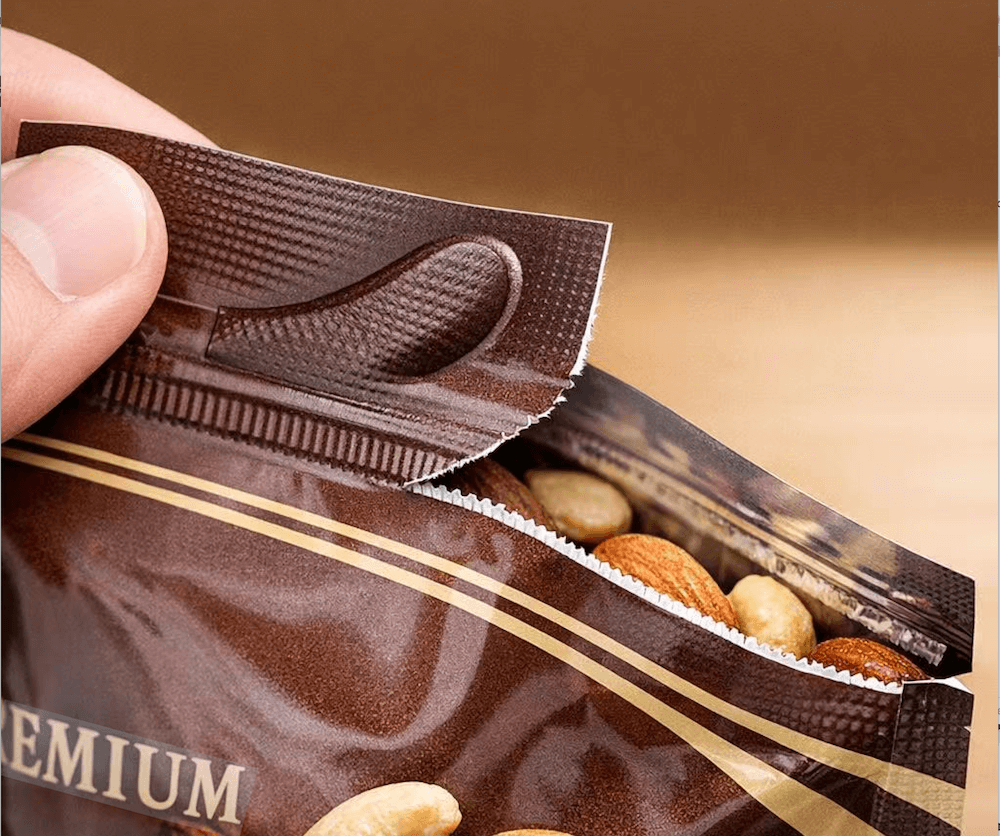
“This nut pouch uses a directional tear system with a tear-guiding substrate coating to enable one-step opening. After implementation, complaints related to spillage during tearing dropped from 32% to 7%. For flexible packaging, tearability is the first pillar of positive user experience.”
Ergonomic tear design reduces friction at the earliest user touchpoint and establishes trust before the product is even consumed.
2. Reusable Design Extends the Packaging Lifecycle
Flexible packaging does not need to function as single-use waste. Reusability increasingly influences consumer perception of value and sustainability.
The 2026 Sustainable Flexible Packaging Trend Forecast indicates that 71% of consumers prioritize products with repurposable packaging, with resealability and form-factor adaptability ranking as the most valued features.
A snack brand implemented a pressure-sensitive resealable strip combined with a crease-resistant biaxially oriented film to extend packaging usability beyond initial opening. The pressure-sensitive strip delivers multiple secure reseals while maintaining oxygen barrier performance. At the same time, the biaxially oriented film retains structural integrity after folding, allowing the pouch to function as a compact storage solution.
Consumers repurposed the pouch for snacks, electronic accessories, and travel toiletries—transforming the package from a disposable container into a retained utility item.
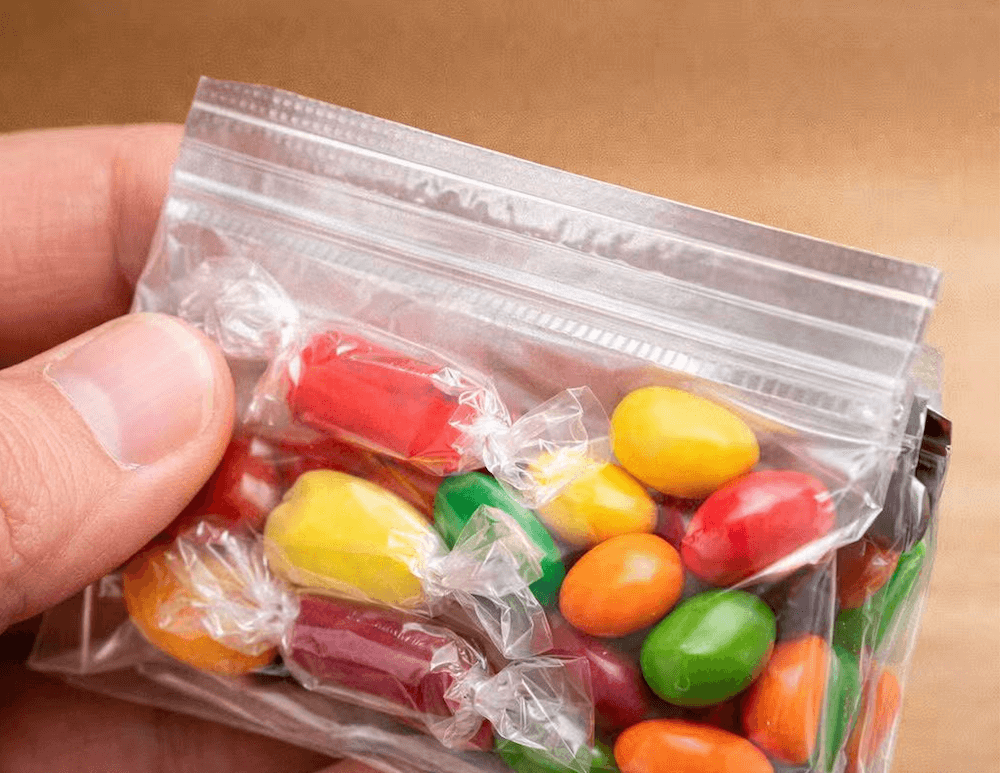
“This pouch combines a pressure-sensitive resealable strip with a crease-resistant film, enabling repeated sealing and repurposing. After launch, positive sentiment related to ‘reusable packaging’ increased by 35%. Flexible packaging evolves from disposable material to retained utility.”
Reusable design extends packaging life while reinforcing brand presence beyond the initial consumption cycle.
3. Material Science Balances Barrier Performance and User Experience
Lightweight flexible packaging must still deliver strong barrier protection and clean handling. Many usability complaints—such as sticky surfaces, leakage, and premature staling—originate from suboptimal material selection.
The 2025 Food-Grade Flexible Packaging Material Audit reveals that 47% of food brands lose 10–20% of their customer base due to material-related experience failures, including grease adhesion and barrier degradation.
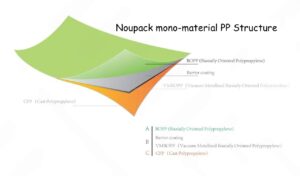
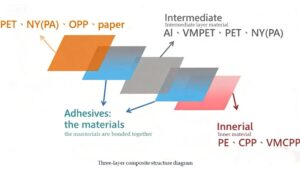
A tri-layer coextruded composite film structure resolves these challenges by optimizing each functional layer:
- Outer layer: A fluorine-free non-stick coating repels grease, dust, and moisture, keeping surfaces clean during handling.
- Middle layer: A high-barrier EVOH film blocks oxygen and moisture transmission, extending shelf life by 2–3 days compared to standard LDPE structures.
- Inner layer: A food-grade, odor-neutral polypropylene substrate ensures no impact on taste or aroma.
This material architecture preserves product freshness while preventing residue transfer during dispensing.
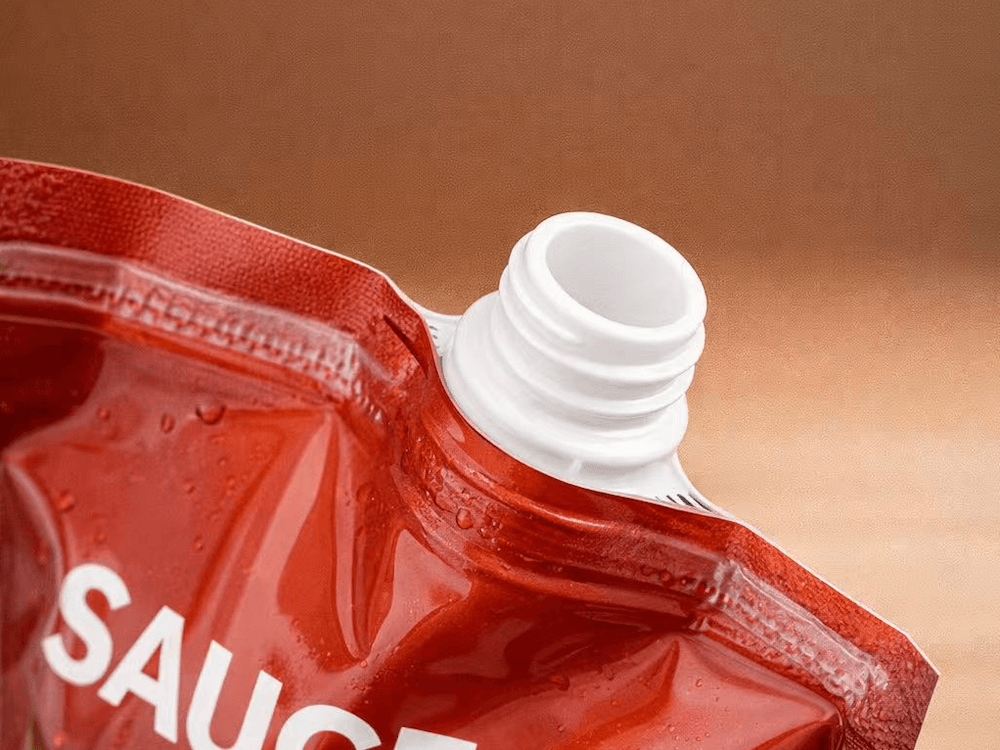
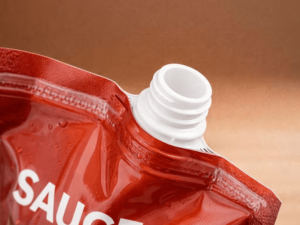
“This sauce pouch uses a tri-layer coextruded film with a non-stick outer layer and a high-barrier core. After adoption, complaints related to sticky packaging dropped by 60%. Material science delivers user-centric value that often goes unnoticed—but strongly felt.”
Well-balanced material design protects both the product and the consumer experience throughout the usage cycle.
Conclusion: Usability Is the New Competitive Advantage
In flexible packaging, the “invisible after-sales” effect is not a cost center—it is a measurable revenue driver. The 2025 Packaging Experience & Customer Retention Study confirms that brands optimizing packaging usability achieve an average 22% increase in repurchase rates.
High-performing flexible packaging requires no repairs, replacements, or explanations. From opening and resealing to handling and repurposing, it delivers a frictionless user journey. As competition intensifies across consumer categories, usability-driven packaging design is becoming a defining competitive advantage for modern flexible packaging solutions.
At Noupack, we believe packaging should solve problems before customers complain.
That is why we focus on ergonomic design, reusable structures, and material systems engineered for real-world use, not just lab tests.
Whether it is controlled tear solutions, multi-use resealable systems, or high-performance composite films, Noupack helps brands build packaging that customers trust and keep.
Because when packaging works better,
products feel better.
Brands grow faster.