The seafood industry faces a unique and critical challenge: maintaining absolute freshness from the source to the consumer’s plate. This necessity drives constant innovation, particularly in Temperature Control Technologies in Seafood Packaging. Modern solutions go far beyond simple insulation, integrating advanced materials and active systems designed to stabilize the environment within the package. The ultimate goal is to extend shelf life, preserve delicate flavor, and guarantee quality, transforming packaging from a mere container into a precision tool for preservation.
Material Performance in Extreme Temperature Conditions: Specialized Packaging for Different Seafood States
Seafood is distributed in various states—fresh, frozen, or chilled—each requiring specialized packaging. Material Performance in Extreme Temperature Conditions is therefore paramount. For frozen products, packaging must exhibit high freeze-thaw cycle resistance, preventing material cracking or seal failure that could lead to freezer burn. For chilled products, the packaging must offer superior insulating properties to maintain a low temperature for extended periods. This requires Specialized Packaging for Different Seafood States, using materials engineered to remain stable and functional across a broad thermal range.
The integrity of frozen seafood is often compromised during the thawing and refreezing that can occur inadvertently during the supply chain. Freeze-Thaw Cycle Resistance in Flexible Seafood Packaging is a key quality metric. Robust Testing Methodologies involve subjecting the sealed package to repeated extreme temperature swings while monitoring the seal strength and film integrity. The correct Material Selection often favors specialized polymers with a low glass transition temperature that remains flexible and resilient, ensuring the package won’t fail when the product expands and contracts.
Extending Shelf Life Through Controlled Oxygen Environments: MAP Technology in Seafood Packaging
One of the most effective ways to preserve seafood is by controlling the air surrounding it. Extending Shelf Life Through Controlled Oxygen Environments is the core principle of Modified Atmosphere Packaging (MAP) Technology. In seafood packaging, this typically involves replacing the air inside the pouch with a specific mixture of gases, often high in carbon dioxide, which inhibits the growth of spoilage bacteria. This strategic gas mixture significantly slows oxidation and microbial activity, dramatically increasing the product’s usable life without chemical preservatives.
A groundbreaking innovation in quality assurance is the use of Time-Temperature Indicators (TTIs). These small, smart labels are affixed directly to the package and change color irreversibly if the seafood has been exposed to detrimental temperature abuse. An Implementation Guide for using TTIs for Seafood Pouches stresses placing the indicator in a location that accurately reflects the product’s temperature history. Crucially, effective Consumer Education is required so shoppers understand that a color change means the product’s freshness may be compromised, providing an instant, visible quality check.
Preventing Liquid Migration in Seafood Pouches: Advanced Sealing Technologies and Performance Testing
Seafood naturally releases moisture and oils. Preventing Liquid Migration in Seafood Pouches is vital to maintaining a clean, appealing package and avoiding leakage. This is achieved through Advanced Sealing Technologies, such as ultrasonic welding or specialized heat seals that create a broader, stronger, and more consistent bond than conventional methods. Rigorous Performance Testing verifies the seal’s integrity against pressure, impact, and liquid penetration, ensuring the package remains hermetic throughout its journey.
The diverse nature of seafood necessitates a specialized approach. Technical Requirements for Shellfish vs. Finfish Packaging differ considerably. Finfish, with its high fat content, requires packaging with superior oxygen barriers to prevent rancidity. Shellfish, particularly those requiring refrigeration, demand durable, puncture-resistant packaging to withstand sharp edges and often require materials with specific breathability to allow for minimal gas exchange. Material Selection and Design Considerations must address these unique biological and physical properties for optimal preservation.
International Shipping Solutions for Premium Seafood: Multi-Layer Protection Systems and Environmental Controls
Transporting high-value seafood over long distances requires robust International Shipping Solutions. This involves Multi-Layer Protection Systems that combine insulating foam or panels with specialized coolant packs and inner flexible pouches. Sophisticated Environmental Controls monitor temperature and sometimes even humidity within the shipping container. The inner packaging, often a durable, high-barrier film, provides the final, essential layer of defense against contamination or loss of freshness during transit.
Effective operations require different packaging solutions for different stages of the supply chain. Scaling Packaging Solutions involves designing efficient systems for both small Consumer Units and massive Bulk Seafood Distribution Systems. Consumer pouches must prioritize visual appeal and ease of use, while bulk packaging focuses on maximizing load-bearing capacity, stacking stability, and minimizing material volume to reduce shipping costs.
Industrial Filling and Sealing Systems for Seafood Pouches: Equipment Selection and Process Optimization
To handle high volumes of perishable products, Industrial Filling and Sealing Systems for Seafood Pouches must be fast and precise. Equipment Selection prioritizes machines made from food-grade, corrosion-resistant materials (like stainless steel) and those capable of maintaining a sterile environment. Process Optimization focuses on minimizing the time between catch and final seal, ensuring the product is processed and protected as quickly as possible to lock in maximum freshness.
The demand for Biodegradable Seafood Packaging is growing, but its implementation requires careful navigation. The primary challenge is Balancing Environmental Benefits with Product Protection Requirements. A successful biodegradable material must still possess the high barrier properties of traditional plastic to preserve the seafood’s quality and shelf life. Innovations focus on creating compostable films that use bio-based polymers without sacrificing the necessary protection against oxygen and moisture.
Security Elements in Premium Seafood Packaging: Consumer Confidence and Product Authentication
For high-end or ethically sourced seafood, proving the product’s origin is critical. Security Elements in Premium Seafood Packaging are implemented to build Consumer Confidence and Product Authentication. These can include tamper-evident seals, micro-printed traceability codes, or unique serial numbers linked to a digital verification platform, assuring the consumer of the product’s provenance and quality.
Packaging can be used to legally and visually reinforce a product’s unique origin. Protecting Geographical Indication Through Specialized Packaging involves using design and material features that are difficult to counterfeit, visually linking the product to its source. Case Studies in Premium Seafood Products demonstrate how unique molds, branding, and verifiable seals can secure market differentiation and prevent fraudulent claims.
Preventing Cross-Contamination: Specialized Seafood Packaging for Multi-Product Retail Environments
In retail settings, preventing flavor transfer and microbial spread is vital. Specialized Seafood Packaging for Multi-Product Retail Environments is designed to provide an absolute seal, minimizing the risk of Preventing Cross-Contamination between different seafood types or other retail items. This packaging is typically non-porous and highly durable, ensuring that juices or odors from one product cannot affect another.
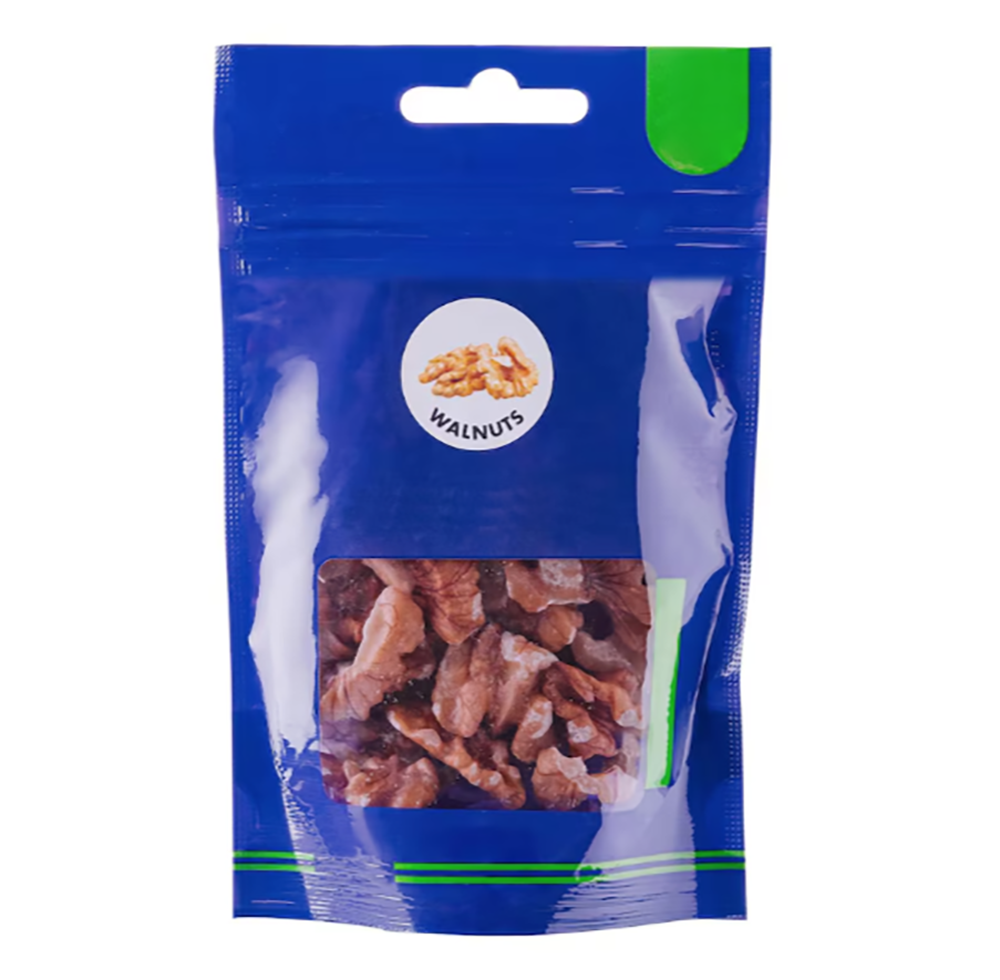
Packaging elements subconsciously influence purchasing decisions. Consumer Perception of Quality Indicators in Seafood Packaging shows that clear windows, tamper-evident features, and high-quality graphics are often equated with a superior product. Research-Based Design Approaches utilize this knowledge to create packaging that instantly communicates freshness, safety, and value.
Design Elements that Communicate Quality in High-End Seafood Packaging: Research-Based Approaches
High-end seafood demands packaging that reflects its premium status. Design Elements that Communicate Quality include the use of sophisticated matte and gloss finishes, minimalist graphics, and robust, tactile materials. Research-Based Approaches indicate that consumers perceive structural rigidity and subtle color palettes (like deep blues and silvers) as indicators of luxury and high value.
For online sales, the physical package is the only in-person brand interaction. Unboxing Experience Engineering for Online Seafood Retailers focuses on making the opening process a delightful ritual. This involves using dry ice that is safely compartmentalized, high-quality insulating materials, and an inner presentation layer that makes the seafood feel premium. These Packaging Elements are critical in driving positive reviews and repeat business.