For many brands, packaging color is not just a design element. It is a core part of brand identity. On a crowded retail shelf, consumers often recognize products not by reading the label first, but by spotting a familiar color.
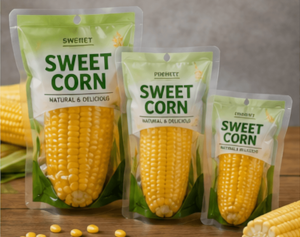
However, keeping that color consistent across thousands—or even millions—of packages is not always easy. During large-scale production, small variations in materials, ink density, or printing conditions can create visible differences. A color that looked perfect during sampling may appear slightly darker, duller, or uneven once the full production run begins.
For brands that rely heavily on visual identity, these inconsistencies can weaken shelf impact and reduce brand recognition.
Understanding what causes color variation is the first step toward preventing it.
Why Color Inconsistency Happens in Packaging Production
Color variation in flexible packaging rarely comes from a single factor. In most cases, it results from the interaction of multiple technical variables within the printing process.
Common factors include:
- Color reference standards
- Printing machine calibration
- Material transparency and surface characteristics
- Ink density and viscosity
- Production environment stability
Even when the artwork file remains exactly the same, these variables can affect how the final color appears on the finished packaging.
Because of this, achieving stable color reproduction requires a systematic process rather than relying solely on visual checks.

The Role of Pantone Color Standards
One of the most widely used tools for color consistency is the Pantone Matching System (PMS). Pantone provides standardized color references that allow designers, printers, and brand teams to communicate precise color expectations.
Instead of describing a color subjectively—such as “dark green” or “deep red”—brands specify a Pantone code. That code defines the ink formulation needed to achieve the intended color.
Using Pantone references helps align expectations between design and production teams. However, Pantone alone does not guarantee perfect consistency. It provides a baseline reference, but production conditions still need to be carefully controlled to reproduce the color accurately.
Why Printing Machine Calibration Matters
Even with a defined color standard, printing equipment must be precisely calibrated to reproduce it reliably.
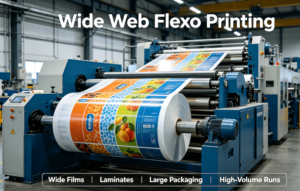
In flexible packaging production, printing presses operate at high speeds and require continuous monitoring of several parameters, including:
- Ink density
- Pressure balance between rollers
- Registration accuracy
- Drying temperature
If these settings drift during long production runs, color density can gradually change. Over thousands of meters of printed film, these small shifts may become noticeable.
Routine machine calibration and process monitoring help maintain stable ink transfer and consistent color output throughout the production cycle.
Professional printing operations typically combine visual inspection with instrument-based color measurement to keep results within acceptable tolerance ranges.
How Different Materials Affect Color Appearance
Material selection plays a significant role in how colors appear on finished packaging.
Flexible packaging films differ widely in their optical properties. Some materials are highly transparent, while others are more opaque or have different surface textures. These characteristics influence how light interacts with the printed ink layer.
For example:
- Glossy films tend to enhance color vibrancy and contrast
- Matte surfaces soften color intensity and create a muted look
- Transparent substrates allow underlying layers to influence perceived color
Because of these differences, the same ink formulation may appear slightly different when printed on PET, BOPP, or PE films.
To prevent unexpected results, experienced packaging manufacturers usually perform material-specific color adjustments during the pre-production stage.

The Importance of Controlled Proofing
Before full-scale production begins, brands typically approve a color proof or sample print. This step confirms whether the selected materials, inks, and printing parameters deliver the expected visual result.
However, proofing is most reliable when it closely replicates real production conditions.
Digital simulations or small laboratory prints may not fully reflect the behavior of industrial printing presses. For this reason, many packaging manufacturers rely on press proofs or pilot runs that use the same equipment and materials intended for mass production.
This approach significantly reduces the risk of surprises when scaling up to large volumes.
Process Control During Long Production Runs
Color consistency is not only about the initial setup—it must also be maintained throughout the entire production process.
In large packaging runs, production may continue for several hours or even days. During this time, environmental factors such as temperature and humidity can influence ink performance and drying behavior.
To maintain stability, experienced manufacturers implement continuous quality monitoring, including:
- Regular color checks against approved reference samples
- Ink viscosity adjustments during printing
- Ongoing inspection of printed rolls
These controls help ensure that the first package printed and the last package printed look the same to the consumer.
Designing Packaging with Production Reality in Mind
Sometimes packaging design focuses heavily on visual creativity while overlooking the realities of printing and materials.
Certain color choices—such as very light shades, subtle gradients, or extremely saturated tones—can be more sensitive to variation during large-scale production.
When production constraints are considered early in the design process, achieving stable and repeatable color results becomes much easier.
Close collaboration between designers and packaging manufacturers helps prevent costly revisions later in the project.
Consistency as Part of Brand Reliability
For consumers, packaging color consistency may seem like a small detail. For brands, however, it signals professionalism and reliability.
When the same product appears slightly different from batch to batch, it can weaken shelf presence and create uncertainty among customers. Maintaining stable packaging color reinforces the perception that the brand is controlled, dependable, and consistent.
Achieving that level of consistency requires attention to multiple factors—from Pantone color standards to printing calibration and material selection.
At Noupack, we believe color consistency is not just a printing issue—it is part of protecting a brand’s visual identity. Through strict process control, calibrated printing systems, and careful material selection, we work to ensure that packaging colors remain stable from the first roll to the last. In large-scale flexible packaging production, that level of consistency is what helps brands stay recognizable and trustworthy in the eyes of their customers.