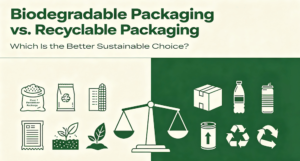
-The Real Trade-Off Between Recyclability and Packaging Performance
Sustainability has become a defining force in packaging decisions. Ten years ago, brands asked about cost and functionality first. Today, the first question is often simpler and louder. Is it recyclable?
The shift is understandable. Regulations are tightening across regions. Retailers are setting clear sustainability targets. Consumers are more aware of packaging waste than ever before. Recyclability has become a visible symbol of responsibility. It is easy to communicate and easy to understand.
But in flexible packaging, the reality is more complex. Recyclability rarely comes without compromise. And those compromises do not always show up on a specification sheet.
Flexible packaging is not just a wrapper. It is a functional system designed to protect products through filling, transportation, storage, and shelf life. Traditional laminated structures use multiple layers because each material serves a purpose. One layer blocks oxygen. Another prevents moisture ingress. Another provides seal strength. Another adds puncture resistance. Together, they create balance.
When we simplify structures to meet recyclability goals, that balance shifts.
One of the first areas affected is barrier performance. Mono-material films often cannot match the oxygen or moisture barrier of traditional laminates that include aluminum foil or high-barrier polymers. For products such as coffee, snacks, pet food, or medical supplies, barrier performance is not a luxury. It directly determines freshness, safety, and shelf life.
To compensate, some brands increase film thickness. On paper, the structure becomes recyclable. In practice, more material may be used to achieve similar protection. The environmental benefit becomes less clear when viewed across the entire life cycle.
Mechanical strength is another area where trade-offs quietly appear. A simplified structure may show lower puncture resistance or reduced tear strength. These weaknesses are not always obvious in laboratory testing. They tend to surface during real distribution. A pallet shifts. A corner presses into a bag. A seal fails under pressure. When packaging fails, the product inside is lost. And product waste often carries a far greater carbon footprint than the packaging itself.
Production performance adds another layer of complexity. Recyclable films can behave differently on existing filling lines. They may require different sealing temperatures. They may reduce running speeds. They may increase scrap rates during setup. Each inefficiency adds cost and energy consumption. Sustainability decisions made in isolation from operational reality often create unintended consequences further down the chain.
None of this means recyclable packaging is the wrong direction. In many applications, it works extremely well. Dry goods with low barrier requirements. Products with moderate shelf life expectations. Supply chains with controlled distribution conditions. In these cases, mono-material structures can deliver both environmental and functional benefits.
The problem arises when recyclability becomes the only metric that matters.
The industry has grown comfortable with simplified claims. “100% recyclable.” “Eco-friendly packaging.” These phrases are powerful in marketing. But sustainability is not binary. It is not a choice between recyclable and non-recyclable. It is a balance between material use, product protection, operational efficiency, and total waste generation.
If a recyclable package shortens shelf life and increases food waste, is it truly more sustainable? If a simplified structure causes higher failure rates in transport, does it really reduce environmental impact?
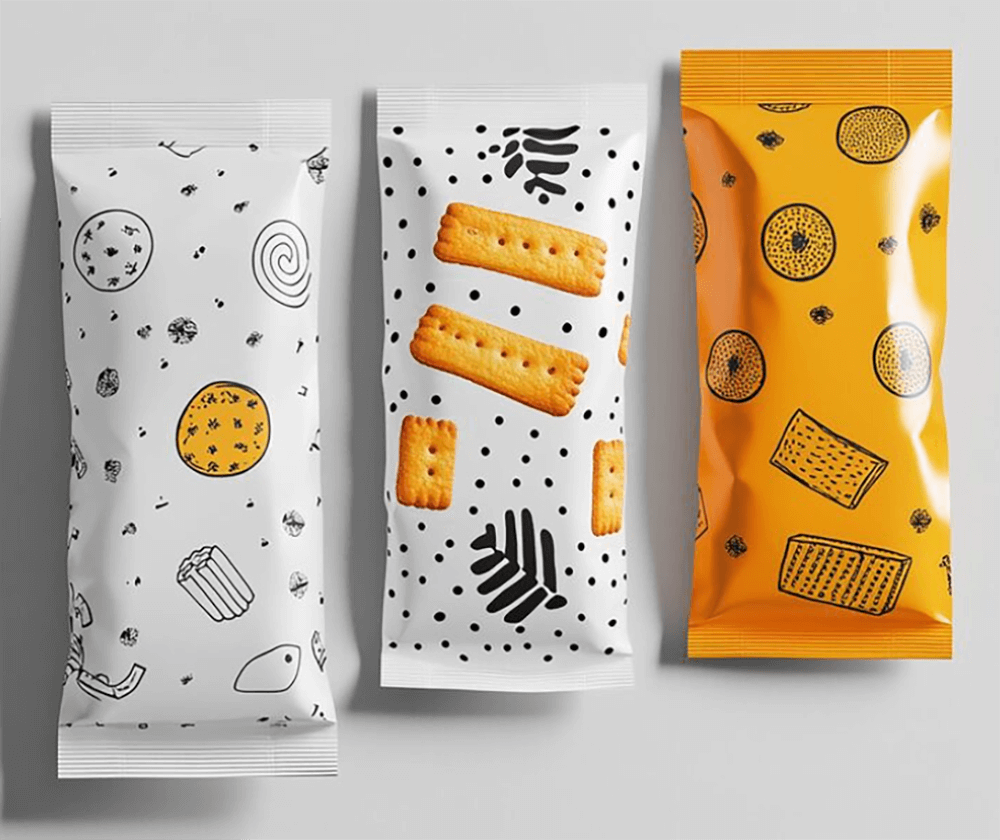
A more useful question for brands is not simply whether a package is recyclable. It is whether the packaging solution reduces total environmental impact while maintaining reliable performance throughout its lifecycle.
That question requires a broader evaluation. How sensitive is the product? What shelf life is required? How demanding are distribution conditions? How will the material perform on current production lines? What is the real risk of failure?
Sometimes the best answer will be a fully recyclable structure. Sometimes it will be a carefully engineered hybrid that minimizes overall waste even if it is not perfectly recyclable in every market. Sustainability is not about pursuing a single feature. It is about optimizing the entire system.
At Noupack, we believe sustainability must be practical. A package that looks good on paper but fails in the field does not serve the environment or the brand. Protection is not the enemy of sustainability. In many cases, it is the foundation of it.
We approach packaging design with one clear principle. Reduce total impact, not just material complexity. That means balancing recyclability with performance, production efficiency, and real-world durability. It means having honest conversations about trade-offs instead of hiding them behind simple labels.
The future of packaging will not be defined by a single word printed on a specification sheet. It will be defined by thoughtful engineering, transparent decision-making, and a willingness to balance ambition with reality.
Sustainability is not about choosing the simplest structure. It is about choosing the smartest one.
And at Noupack, smart packaging is responsible packaging.