Sustainable Packaging Is Not Just About Materials
When people talk about sustainability in packaging, the conversation almost always starts with materials.
Recyclable films. Bio-based resins. Compostable options. Less plastic.
These discussions matter.
But they are not the full picture.
In flexible packaging, sustainability is rarely decided by material choice alone.
More often, the real outcome is shaped by something far less visible, but far more influential: packaging structure.
Structure determines how materials work together.
How much material is truly needed.
How well a package performs across the supply chain.
And whether sustainability goals lead to real results, or unintended waste.
Why “Greener Materials” Alone Fall Short
For many brands, the first sustainability step is a material switch.
On paper, it looks like progress.
In reality, without rethinking the structure, new problems often appear.
- Thinner films that tear or seal inconsistently
- Reduced barrier protection and shorter shelf life
- Failures during filling, transport, or storage
- Higher rates of product loss
In these cases, the material may be “greener” by definition.
But the total environmental impact actually increases.
We see this often in food, pet food, and medical packaging.
Materials change quickly.
Structures do not.
What “Packaging Structure” Really Means
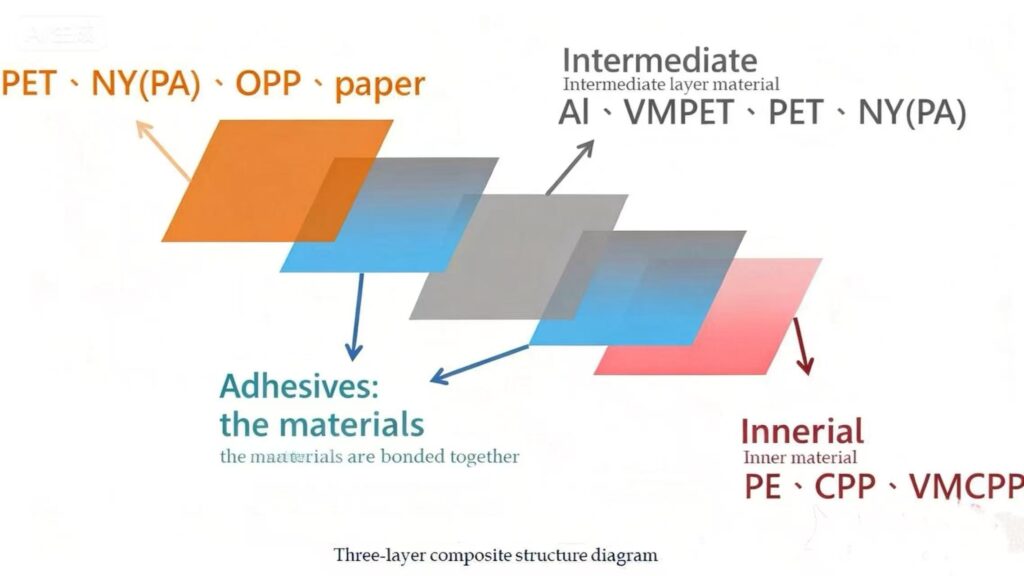
In flexible packaging, structure is not just the number of layers in a film.
It is how those layers are designed to work together.
Key structural considerations include:
- Layer composition and functional roles
- Thickness distribution across layers
- Placement of barrier properties like oxygen, moisture, and light
- Sealant design and sealing window
- Mechanical strength and puncture resistance
- Compatibility with filling and sealing equipment
A strong structure allows each layer to do its job well.
Instead of compensating for weaknesses elsewhere.
Structure as a Sustainability Lever
1. Using Less Material Without Losing Performance
When structure is designed correctly, total material usage can often be reduced.
Performance does not suffer.
In many cases, it improves.
Rather than relying on one thick layer to handle everything, functionality is distributed:
- Barrier where barrier is needed
- Strength where stress occurs
- Sealability where consistency matters
This avoids overengineering.
It avoids unnecessary weight.
Less material. Same performance. Sometimes better.
That is sustainability in practice.
2. Reliable Performance Across the Supply Chain
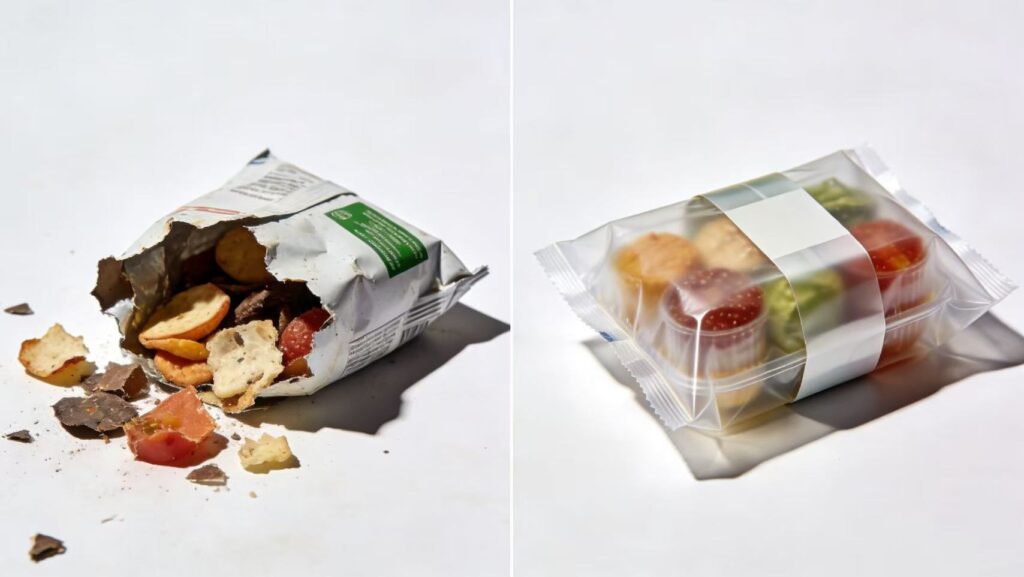
Sustainable packaging has no value if the product does not arrive intact.
Structural balance directly affects:
- Seal integrity
- Resistance to transport stress
- Shelf-life stability
- Performance under temperature and humidity changes
When structures are unstable, the consequences are familiar:
- Leakers
- Returns
- Repacking
- Product disposal
3. Less Waste on the Production Floor
Sustainability does not stop with materials.
It continues in production.
Well-designed structures tend to:
- Run smoothly on existing filling lines
- Require fewer machine adjustments
- Reduce downtime and reject rates
- Maintain seal quality at higher speeds
Poor structural choices often lead to:
- Excess scrap during startup
- Frequent sealing issues
- Increased rework
- Higher energy use
Operational efficiency is directly tied to structure.
So is waste.
So is cost.
Sustainability Is a System, Not a Single Decision
True sustainable packaging is not achieved through one material change.
It comes from aligning multiple factors:
- Product requirements
- Packaging performance
- Processing conditions
- Supply chain realities
- End-use expectations
Structure is where all of these intersect.
That is why two packages made from the same material can have very different sustainability outcomes.
The difference is structure.
Why Structure Matters for Buyers and Product Teams
For procurement managers, product developers, and packaging engineers, structure is not a minor technical detail.
It is a strategic decision.
Structural choices influence:
- Long-term supply stability
- Cost control over the product lifecycle
- Risk exposure from packaging failures
- Brand reputation and customer trust
In B2B and export-driven supply chains, these effects compound quickly.
A structure that passes short-term testing can still fail under:
- Extended transport
- Climate variation
- Multi-site production
- Market expansion
Thoughtful structural planning reduces these risks before they appear.
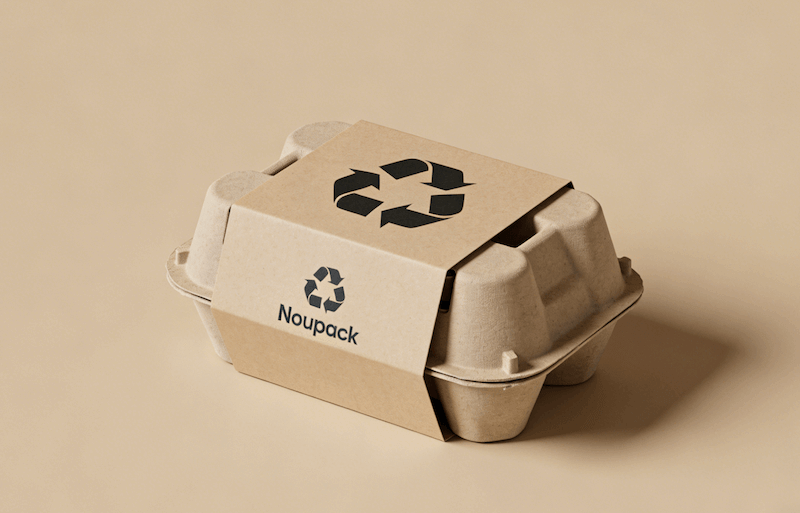
Designing Structure With Sustainability in Mind
A sustainability-driven design process starts with different questions:
- Where is barrier truly required, and where is it not?
- Which layer can be optimized instead of thickened?
- Can functionality be redistributed across layers?
- How will this structure run on the customer’s actual filling line?
- What happens to the package after filling, transport, and storage?
These questions shift the focus away from material labels.
They focus on real-world performance.
Structure Protects More Than the Product
A well-designed packaging structure protects three things at once:
- The product, by ensuring integrity and shelf life
- The process, by enabling stable and efficient production
- The brand, by preventing failures that erode trust
Sustainability is not achieved by materials alone.
It is built through structures that work. Technically, operationally, and commercially.
Final Thought
As sustainability expectations rise, packaging decisions are judged by more than material choice.
They are judged by how the entire system performs in real conditions.
The question has changed.
It is no longer whether a material appears sustainable.
It is whether the overall structure delivers consistent results across the full lifecycle.
At Noupack, sustainability starts with structure.
By focusing on how materials work together within a complete packaging system, we help brands reduce unnecessary material use, maintain operational stability, and manage risk more effectively.
Sustainable packaging is not defined by a single material decision.
It is achieved through structures that work. Reliably. And at scale.